Video Surveillance

Understanding Video Surveillance

Video Surveillance

Video Surveillance refers to the use of cameras and recording systems to observe, monitor, and document activity within a specific environment. It has become an increasingly common tool for enhancing awareness, improving accountability, and supporting safety efforts in both personal and professional settings. At its core, video surveillance captures visual information that can be reviewed in real time or stored for later analysis. This ability to observe events as they occur or revisit them afterward provides a level of clarity that memory or secondhand accounts cannot always deliver.

The purpose of video surveillance is not solely to watch but to understand patterns of behavior and identify incidents accurately. When used responsibly, it acts as a neutral observer that records events without bias. This objective record can be invaluable in resolving disputes, verifying claims, and improving overall situational awareness. As technology continues to evolve, video surveillance has shifted from a passive recording tool into a more integrated system capable of supporting broader security and management goals.

How Video Surveillance Systems Work

A typical video surveillance system consists of cameras, recording equipment, and viewing interfaces that allow users to access footage. Cameras capture visual data and transmit it to a storage device where it is saved digitally. Users can then review this footage on monitors or other devices depending on system design. Some systems operate continuously, while others record only when motion or activity is detected.

Modern systems often allow remote access, enabling users to view live or recorded footage from a distance. This flexibility makes surveillance more adaptable to different needs and environments. Despite advances in automation, human oversight remains important. Reviewing footage, interpreting events, and making decisions based on recorded material still require judgment and context that technology alone cannot provide.

Common Uses of Video Surveillance

Video surveillance is used across a wide range of environments for many different purposes. One of its primary functions is to enhance safety by providing visibility in areas where direct supervision may be limited. The presence of cameras can also encourage responsible behavior, as individuals are often more mindful of their actions when they know they are being recorded.

In addition to safety, video surveillance supports operational efficiency. Reviewing footage can help identify workflow issues, monitor equipment use, or assess how spaces are utilized. This information can be used to improve layout, procedures, or policies. Surveillance also plays a role in documenting incidents, allowing for accurate review when questions arise about what happened and when.

Privacy and Ethical Considerations

The use of video surveillance raises important questions about privacy and ethics. While surveillance can offer valuable benefits, it must be balanced against the right to personal privacy. Responsible use involves clearly defining the purpose of surveillance and limiting monitoring to appropriate areas. Transparency is essential so that individuals understand when and why recording is taking place.

Ethical use also means protecting recorded data from misuse or unauthorized access. Footage should be stored securely and retained only as long as necessary. Those with access to surveillance systems must be trained to handle information responsibly and avoid unnecessary monitoring. By respecting ethical boundaries, video surveillance can serve its intended purpose without creating distrust or discomfort.

The Role of Video Surveillance in Accountability

One of the most significant advantages of video surveillance is its ability to promote accountability. Recorded footage provides a factual reference that can clarify misunderstandings and confirm events. This objective evidence can be especially useful in situations where accounts differ or details are disputed. Rather than relying on memory alone, decision makers can review footage to gain a clearer understanding of what occurred.

Accountability supported by video surveillance can lead to fairer outcomes. When individuals know that actions are documented, there is often greater motivation to follow rules and act responsibly. At the same time, surveillance can protect individuals from false accusations by providing evidence that supports accurate conclusions. In this way, video surveillance can benefit all parties involved when used appropriately.

Advances in Video Surveillance Technology

Technological advancements have significantly expanded the capabilities of video surveillance. Higher resolution cameras now capture clearer images, making it easier to identify details. Improved storage solutions allow for longer retention periods without sacrificing quality. Some systems incorporate intelligent features that can highlight unusual activity or organize footage more efficiently.

Despite these advances, technology should be viewed as a tool rather than a solution on its own. Effective surveillance depends on thoughtful system design and proper management. Understanding what to monitor, how to review footage, and how to respond to findings remains a human responsibility. Technology enhances the process but does not replace critical thinking or ethical judgment.

Challenges and Limitations

While video surveillance offers many benefits, it also has limitations. Cameras capture only what is within their field of view, and important context may exist outside the frame. Lighting conditions, angles, and obstructions can affect image quality and interpretation. For these reasons, footage should be analyzed carefully and not assumed to tell the entire story on its own.

Another challenge is the potential for overreliance on surveillance. Constant monitoring without clear purpose can create unnecessary tension and reduce trust. It is important to define clear objectives and use surveillance as a support tool rather than a means of excessive control. Thoughtful implementation helps ensure that systems remain effective and proportionate.

Managing and Reviewing Surveillance Footage

Proper management of surveillance footage is essential for maintaining its usefulness and integrity. Organized storage systems make it easier to locate relevant recordings when needed. Clear procedures for reviewing and sharing footage help prevent confusion and misuse. Documentation of who accessed footage and why adds an additional layer of accountability.

Reviewing footage requires patience and attention to detail. Events should be examined in context, considering time, environment, and behavior. Drawing conclusions too quickly can lead to misunderstandings. Effective review involves combining recorded evidence with other available information to form a balanced and accurate assessment.

The Human Element in Video Surveillance

Despite technological sophistication, the human element remains central to video surveillance. People design systems, set policies, interpret footage, and make decisions based on what they see. Training and awareness are therefore critical. Those responsible for managing surveillance must understand both technical operation and ethical responsibility.

Communication also plays an important role. Explaining the purpose and scope of surveillance helps build trust and reduces concerns. When individuals understand that systems are in place for safety and accountability rather than intrusion, acceptance tends to increase. Respectful use reinforces the idea that surveillance is a shared tool rather than an imposed one.

Future Perspectives on Video Surveillance

As technology continues to advance, video surveillance is likely to become even more integrated into daily environments. Improvements in image quality, data management, and system flexibility will expand potential applications. At the same time, ongoing discussions about privacy and ethical use will shape how these systems are implemented.

The future of video surveillance depends not only on innovation but also on responsible governance. Establishing clear guidelines and maintaining a balance between security and privacy will remain essential. When used thoughtfully, surveillance can evolve in ways that support safety while respecting individual rights.

Final Thoughts

Video surveillance is a powerful tool that provides visibility, accountability, and valuable insight into human activity. Its effectiveness depends on thoughtful design, ethical use, and careful interpretation of recorded information. While technology enhances the ability to observe and document events, human judgment remains essential in ensuring fair and responsible outcomes. When balanced with respect for privacy and clear purpose, video surveillance can serve as a reliable resource that supports safety, clarity, and informed decision making.
Metal Works

How Custom Metal Gates Improve Property Security

Custom Metal Gates

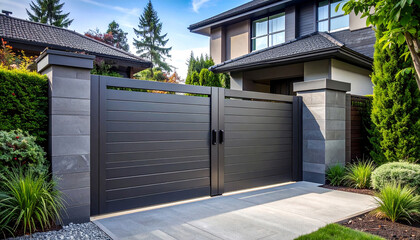
Custom Metal Gates are a versatile architectural element that can be used for decoration, security, ventilation, or space division. They are often customized to suit a specific client or project’s aesthetic and functional requirements.

Iron gates have a classic, refined look that adds value to homes. However, they’re also robust and resilient, making them a preferred option for those who prioritize home safety.

Increased Property Value

In addition to the practical benefits of a gate’s structural integrity and visual deterrence, it’s also easy to see how an attractive custom design can boost your property value. Iron gates and fences, especially those with decorative scrollwork and accents, add a refined upscale look that elevates your property’s aesthetic. Whether you lean toward a traditional Southern look or a modern sleek design, your local metal fabrication specialists can craft an elegant solution that fits perfectly with your style.

Because they are constructed from robust materials that offer longevity and resilience, metal gates require far less maintenance than a wood fence or gate. Whereas wooden structures are susceptible to rot, warping, and insect damage, wrought iron and steel gates remain sturdy year after year, even when faced with harsh weather conditions. In addition, they can be outfitted with a wide range of security enhancements, increasing the level of protection on your property.

When potential intruders see that your home is defended by a solid metal gate, they are more likely to move on to another target. This psychological deterrence is an additional benefit of a custom gate that can be designed to suit your specific security needs.

Unlike off-the-shelf gates, bespoke metal gates are tailored to fit your specific security requirements. They can be designed with a variety of features to make your home more secure, including automated systems, motion sensors, and video cameras. Moreover, these features are easily integrated with existing home systems for seamless operation.

While there are many ways to improve your property’s curb appeal, few options have the added benefits of a custom-designed metal gate. Its presence not only enhances your property’s aesthetics, but it also offers a sense of security that can increase your resale value and create an inviting entryway for guests. By working with a local metal fabrication expert, you can customize your gate to suit your personal style and security preferences, adding a unique touch that elevates your property’s overall appearance and resale value. Contact a local metal fabrication company today to learn more about the benefits of a customized metal gate.

Deterrent

When it comes to protecting your property, the first line of defense starts at the perimeter, and nothing establishes that stronger than high-quality gates from a metal fabrication specialist. With their ability to combine beauty with strength, these gates set the stage for a strong deterrent against criminals, helping to reduce incidents of theft, vandalism, and trespassing on your land.

Custom metal gates can be built to match the design of any property, blending in with the architectural style and offering the visual deterrence that many homeowners prioritize. The addition of wrought iron gates also improves security by providing a physical barrier that criminals will struggle to breach, while making it more difficult for unauthorized personnel to enter your property.

Aside from being a solid barrier, these gates can be integrated with other security measures like intercom systems and automated entry points, giving you a more secure layer of protection. For commercial properties, these gates can be designed with access control features that limit entry to authorized personnel for a safer and more efficient traffic management system.

Unlike alternatives, such as vinyl gates, a metal gate offers unrivaled durability. Metal gates that are fabricated from robust materials like steel stand up to harsh weather conditions without warping or breaking down, providing an effective barrier against break-ins for years to come.

For added security, you can incorporate anti-climb features into your custom gate design, such as spear tops or closely spaced vertical bars. These elements aren’t just decorative, as they make it much more difficult for intruders to scale your fence gate and gain unauthorized access to your property.

The addition of a sturdy, well-built fence gate is one of the most cost-effective ways to protect your property. Not only will you be able to enjoy your new gate’s beauty and functionality, but you will also increase your property value and enjoy the peace of mind that comes from knowing your home is safe. Many insurance carriers even offer reduced premiums for homes with enhanced security features like high-quality gates. In addition, you’ll save on costs associated with crime mitigation, such as repairing or replacing your stolen items and paying for recovery efforts.

Durability

A quality metal gate is built to last, and it can stand up to harsh weather conditions without warping or rusting. Metal fabrication companies design gates that match the exact specifications of a property, and the result is a secure barrier that fits like a well-tailored suit. Whether it’s protecting livestock, controlling access to equipment, or standing guard at the edge of a driveway, the best custom gates balance strength and function, offering a smoother opening and closing cycle for ease of use.

Unlike wood and vinyl gates, which require regular maintenance to prevent rotting and fading, metal gates can last for decades with minimal upkeep. A rinsing with soap and water keeps them clean and rust-free, and powder coating protects against the elements and other damage. This durability means you can rest easy knowing your gate will continue to provide top-tier security for years to come.

Metal gates can also be made to include anti-climb features, making it more difficult for intruders to gain access. The design is up to you, but common options include spear tops, finials, and closely spaced vertical bars that make it challenging and dangerous for anyone to try and scale the gate.

Decorative details like scrollwork and laser-cut panels can add a striking aesthetic to your property while further increasing security. Iron gates offer a timeless, upscale look that suits any home style, and matte black, bronze, or charcoal finishes elevate curb appeal. For even more protection, consider adding an automated system that allows you to open your gates with the swipe of a finger.

A strong, durable metal gate improves your home’s security and increases its market value. With the added benefit of cost savings on homeowner’s insurance, a metal fence and gate is an investment that pays off for decades to come. Contact a metal fabrication expert to find the right solution for your property and security needs, and be sure to ask about how upgrades like this can increase your home’s overall value.

Maintenance

A metal gate is more than a physical deterrent; it’s a statement about your home. When designed to match your property’s architecture and landscaping, it elevates your yard and driveway into a part of the house. In turn, it elevates your property value.

Unlike standard backyard gates or vinyl options, a custom metal gate is made to last. Whether crafted from ornamental steel or another robust material, a metal fabrication specialist delivers an unrivaled combination of strength and visual deterrent, ensuring your gate is an effective safeguard against intruders and vandalism while also adding to your property’s curb appeal.

The durability of a metal gate starts with the materials. Ideally, the best choice is an ornamental steel gate that’s built by an experienced and reliable fabricator. Options like the TruView Ornamental Summit gate or the Landmark gate provide sleek, stylish solutions that don’t sacrifice strength for appearance, while designs such as pressed-point tops and closely spaced vertical bars make scaling a gate much more difficult. Other important factors include protective coatings and finishes, such as galvanization and powder coating that shield the metal from moisture and sunlight exposure, and improve the gate’s color and surface texture.

Iron gates are designed for longevity, and consistent care can help them stay looking new and working efficiently for years to come. Regular rinsing with mild soap and water prevents dirt buildup, while periodic inspections catch early signs of wear or damage. If your gate has moving parts, such as latches and motors, lubrication is recommended to keep them running smoothly.

Investing in your property’s security is essential for protecting yourself, your family, and your possessions. It’s also smart because a strong, durable metal gate will increase your property value while serving as a visual deterrent against intruders and potential vandalism. By choosing a custom metal gate that meets your specific needs and design preferences, you can safeguard your property while elevating your curb appeal. Look for a trusted fabrication company that offers end-to-end service, from design and customization to finishing and installation, to guarantee quality craftsmanship, precision, and structural integrity.

Visit our Professional Services Blogs

Smart Choice Plumbing And Air, Sanitize My Airducts, Bethesda Locksmith, Golden Coast Cleaners, Advanced Concrete Staining, Home Pool Cleaners, Brayhines Septic, Shaka Pool And Spa Cleaning,Mr Clean And Shine, Best Appliance Repair Long Beach, Gulf to Bay Water Remediation, Garage Door San Francisco, Richmond Flooring, Fence Builders Woodlands, Colorado Springs Auto, Fuel Frontlines, Expert 24 Option, Sacramento Roseville Real Estate, SLO Homes, Philadelphia Towing, State Powerwashing, Truck Tires Worldwide, Website Translation, Construction Company Farmington NM, Green Home Los Angeles, Trinity SEO Marketing, Electric Fireplaces, Argos Bookkeeping, Christopherson Drywall,Garage Door Installation, Missouri Personal Injury Lawyer Blog, Alvins Auto Body, Carpet Care Pros, Las Vegas Concrete, Clark Concrete Company, Deck Builders Missour City, Lechleitner Builders, Medical Health Insurance Policy, Royal Siding Windows, Carpet Steam Cleaners Review, Go Greeen Lawn Painting, Oakwood Skate Deck, Texas Home Remodeling And Painting, USA Home Repair Remodeling, Dream Home Remodeling Services, Brent Lawn Homes, Great Ernm Homes, Accelerated Orthodontic, Arctic Cooling And Heating, Baltimore Heating And Airconditioning

Disaster Restoration

How to Manage Water Damage Remediation

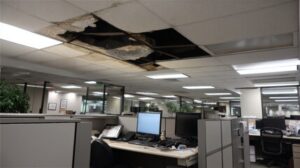
Prevents further damage by stopping water intrusion and addressing the source of the problem. This minimizes restoration costs and prevents long-term issues like mold and weakened structures.

Identify the water contamination category and class to determine how extensive the drying and remediation will be. Thorough cleaning eliminates bacteria, pathogens, dirt, odors, and other contaminants. Consult with Water Damage Remediation Salt Lake City for expert guidance.

water damage

Drying

Water remediation is the process of cleaning, drying, sanitizing and restoring any materials affected by water damage. It includes steps like identifying and stopping the source of the problem, dehumidification, and temperature control. It is also important to remove any items that cannot be saved or restored. Water damage remediation also involves a thorough inspection and documentation of the affected areas.

The first step in water remediation is to identify and classify the type of water that has caused the problem, as well as the amount of damage that has been done. This allows technicians to determine what equipment and tools are needed to perform the restoration. This also helps them develop a plan for removing the water and drying the affected materials.

Next, the technicians must extract as much water as possible using extraction methods such as pumps and industrial vacuums. This will reduce the amount of time it takes to dry the materials and prevent further damage. It is important to remove all standing water, especially if it’s contaminated or gray water (raw sewage). It’s also necessary to replace any carpet and flooring that cannot be salvaged.

Thorough drying is an essential part of water damage remediation. Prolonged exposure to moisture can cause wood and other materials to warp or rot, while metals may corrode. In addition, moisture can migrate to unseen areas of the property, such as wall cavities or beneath floorboards. Water remediation specialists can use techniques such as injecting warm air into wall cavities and removing baseboards to facilitate the drying process.

During the drying process, it is important to monitor the humidity levels and temperature to ensure that moisture levels are not too high or too low. When this is done, the structural integrity of the affected materials will be protected and the structure will be safe to live in. This will also minimize the risk of mold growth and other health hazards.

Sanitization

Water damage can lead to a number of issues, including mold and mildew, rotted wood, and material deterioration. If not addressed immediately, these problems can cause long-term damage to the property. That’s why it is important to act fast and call a restoration professional. Water damage restoration companies have the tools and training to handle any type of situation. They can restore your items and prevent further damage to the home or office.

During the water damage remediation process, the first step is sanitization. This involves using disinfectants and antimicrobial treatments to eliminate bacteria, pathogens, and spores. This process also removes odors and reduces the risk of illness. In addition to sanitizing, the water damage repair expert uses high-powered fans and dehumidifiers to remove excess moisture. Moisture is a leading cause of structural and mold issues, so it’s crucial to dry the area as quickly as possible.

The water damage repair specialist will also wear protective equipment during this process. This includes a mask, gloves, googles, and disposable clothing or protective overalls. They may also use a negative air machine to ensure that they don’t spread the mold spores. If the water damage is Category 3 or above, they will likely need to use a specialized chemical treatment to protect themselves.

Inhaling mold molecules can cause a variety of health issues, from respiratory problems to skin irritations and even a more severe allergic reaction. If you have a compromised immune system or a preexisting respiratory condition, it’s even more important to get help with water damage restoration as soon as you notice the signs of water damage. Water damage can also lead to a host of other issues, such as material deterioration, rusting of metals, and the growth of mold and mildew. If not treated promptly, it can also lead to rotted wood and foundation damage.

Reconstruction

Water damage can wreak havoc on your home or business, leaving you with expensive repair bills and loss of valuable property. It can also lead to mold growth and serious health hazards. The key to minimizing the damage is prompt remediation. Water restoration professionals use targeted drying and cleaning methods to eliminate water-related problems and prevent further damage. They can also perform reconstruction to restore the damaged area and improve its functionality.

Reconstruction is a necessary step in the water damage remediation process. It involves restoring the affected areas to their original condition, which can be challenging as water may have penetrated through walls, floors, and other materials. Professional contractors will use special equipment to dry and dehumidify the affected areas and restore them to their original state. Reconstruction may also involve replacing drywall, flooring, and other materials.

Whether caused by a burst pipe or flooding, water damage requires immediate remediation to avoid lasting damage. Reaction time is critical, especially for businesses relying on customer traffic or production to generate income. Faster recovery allows companies to return to normal operations sooner, reduces the amount of lost revenue, and limits long-term damage.

Water damage restoration begins with a thorough inspection of the property to identify the extent of the damage. Once the inspector has assessed the damage, they can recommend the right water mitigation strategies to restore the property and prevent further damage. The first step is to stop the flow of water by turning off the main water supply valve. This will prevent further damage and minimize the cost of water restoration.

Moisture is a breeding ground for mold and mildew, which can grow within 24 to 48 hours of exposure. Prompt remediation of water damage helps prevent mildew and mold from growing, saving the property and reducing the risk of future structural issues.

Reconstruction is the final stage of a water damage remediation project. It includes repairing the damage, disinfecting and cleaning the affected areas, and removing any items that cannot be restored. It also involves adjusting building designs and features to ensure compliance with modern standards, including fire-resistant materials, seismic reinforcements, and enhanced electrical systems.

Documentation

Water damage is not just a nuisance; it can lead to structural issues and health risks. It is crucial to document the damage as it occurs, and this will help ensure that your insurance company pays for the full amount of restoration services covered by your policy. Documentation also helps prevent unnecessary complications down the road, such as mold growth and rotting wood.

A water damage inspection is the first step in the restoration process. This involves identifying the source of the water, classifying the water damage, and inspecting the affected materials. This is done with advanced diagnostic tools, such as moisture meters and hygrometers, to determine the extent of the water intrusion. It is critical to conduct this assessment with the right tools, as the outcome will determine how much drying and dehumidification are needed.

Once the inspection is complete, the next step is to clean up the water damage. This includes removing and disposing of severely saturated materials, implementing specialized drying methods, and conducting long-term monitoring to ensure that salvageable components are completely dry. If necessary, professional restoration may also involve rebuilding structures such as wooden trim boards and drywall.

It is important to take photos and videos of the water damage for documentation purposes. This will help your insurance adjuster understand the scope of the damage and will help you get better compensation. You should also save receipts for any expenses related to the water damage, including repair costs, labor, and temporary accommodations.

If left untreated, water damage can result in structural damage, rotting wood, mold growth, and other problems. To avoid these issues, it is important to act quickly after experiencing water damage.

If you are facing water damage, contact a local restoration company for a professional inspection and remediation. They will help you get back to normal faster and minimize the effects of the water damage on your property. They can also advise you on the best options for restoring your property, such as repairing or replacing damaged materials. They can even provide temporary repairs, such as tarping a roof or sealing broken windows, to mitigate additional damage and protect your property from further complications.

Visit our Professional Services Blogs

Chris Atkins Lawncare, Atticus Landscaping, Treasure Coast Pressure Wash, Gulf Beach Plumbing, Marlborough Plumbing, Guns And Hoses Pressure Washing, Ambrose Construction, Coral Gables Pressure Washing, Willco Photography, Roofing Akron, Danalogsdon Roofing El Cajon, EC Siding Roofing Windows, Aurora Gutter, American Insurance Source, ECO, etdn, Denison Service League,  Roofing Blog, Atlantic Vinyl Windows, Brookshires Fireplaces, JD Advanced Remodeling, Product Judgment, Master Dry Foundation Repair, Moe’s Hip, Elta Patio Paramount, Rock Around The Clock Festival, Learn, Play, Beyond, MoralesT Gardening, Car Window Tinting Perth, Duncan Carpentry, Gatestone Lighting, Mid Missouri Mold Inspections, Stucco Repair Albuquerque, Wausau Siding Hire, Munster Tree Care, Blue Granite Homes, Custom House, CENTRAL OS, Atlanta Pavers, Phillips Law Firm, Brent Ryder MasonryWalker Construction Drywall Division, RJ Law, Caledon Plumbing, DDS Tech USA, Maine Mortgage Services, Inckpen, Seasons at Rose Creek, Cottonwood Place Dental, Cosmetic Laser 2000 

Pest Control

DIY Pest Control Vs. Professional Pest Control – What Really Works?

Ben's Pest Control

Pest infestations can wreak havoc on homes and businesses. From termites chewing away at your home’s foundation to cockroaches spreading bacteria, pests pose a serious threat to your health and safety.

But while DIY solutions might seem like a quick fix, they often fall short of providing long-term results. Professional services, on the other hand, deliver effective, safe solutions. Contact Ben’s Pest Control for more information.

Cost

When faced with pest infestations, it can be tempting to take matters into your own hands by handling the problem yourself with over-the-counter sprays and traps. However, what might seem like a cheaper option in the short term can add up to big expenses in the long run if your DIY methods aren’t effective and you end up having to repeat treatments or call in professionals to deal with recurring problems.

Professionals get to the root of the problem, eliminating pests and preventing future infestations for a longer-lasting solution. Moreover, they can prevent property damage by getting to issues like termite and rodent infestations early before they cause major structural damage that can cost thousands in renovation costs.

Experts use specialized tools to identify the species of pest infesting your home and target them specifically with treatments that aren’t available to the general public, providing more powerful results that last. Moreover, they often employ eco-friendly products to keep your family and pets safe while still dealing with the pests effectively.

Over-the-counter pest control solutions aren’t only ineffective, but they can be dangerous if misused. Using the wrong equipment or applying them too heavily can expose you and your loved ones to harmful chemicals, potentially leading to accidents or even health risks. Professional technicians are trained to use the right equipment safely and effectively, ensuring that your home is protected from pests without any risk.

Professional services also offer convenience. Unlike DIY pest control, which requires you to spend your weekends dealing with traps and sprays, professional services take care of the whole process for you, leaving you with more time to relax or work on other important aspects of your life. Moreover, with routine follow-up treatments and prevention strategies, they can ensure that pests don’t come back in the future, giving you a peace of mind and a home free of unwanted guests for good. To learn more about the difference between DIY pest control and professional pest control, contact us today! We’ll happily answer any questions you may have. We also have a convenient online form you can fill out to request your complimentary, no-obligation consultation!

Safety

When pests invade your home, you want to take action quickly. That’s why over-the-counter sprays, traps, and other DIY methods may seem so tempting – they promise to deliver fast, inexpensive results. Unfortunately, these solutions often fall short. In many cases, they expose your family to toxic chemicals and fail to address the underlying pest problem. Professional services, on the other hand, can be safer and more effective.

Professionals are trained to identify and understand the habits of different pest species. This allows them to use targeted treatments for eradication, reducing unnecessary chemical exposure and protecting your loved ones. Additionally, many professional pest control companies offer eco-friendly products that are safe for kids and pets.

In addition to removing pests, professionals also focus on prevention. This includes sealing potential entry points, removing food sources, and offering routine follow-up treatments to prevent pests from returning. This preventative approach saves time and money in the long run, as it eliminates the need for costly repair bills and recurring treatments.

While DIY solutions might seem less expensive, they can end up costing you more in the long run. Ineffective treatments, repeated purchases of over-the-counter products, and recurring pest infestations can add up quickly. On the other hand, a professional pest control service can resolve your infestation quickly and effectively, saving you both time and money in the long run.

Dealing with unwanted pests is a stressful process. Whether it’s dealing with a roach infestation or mice in the attic, managing pests on your own can be overwhelming and exhausting. Professionals make the entire process much smoother, allowing you to focus on the things that really matter in life. So, before you reach for the DIY products in your cabinet, ask yourself if the short-term savings outweigh the long-term costs of ineffective treatment and ongoing pest problems.

Expertise

Pest infestations can have serious consequences for your home and health. Whether it’s termites silently chewing away at your home’s structure or cockroaches spreading bacteria around your kitchen, these unwanted guests are a dangerous nuisance that must be dealt with quickly and effectively. Many homeowners turn to DIY pest control solutions in an effort to save money and address their infestation on their own. However, these methods often fall short when compared to professional pest control services. Let’s take a closer look at the advantages and drawbacks of DIY pest control versus professional pest control to determine which option is right for you.

Expert Knowledge

Trained pest control specialists know the typical habitats, feeding habits, and behavior of each pest species they treat. This knowledge allows them to accurately identify the type of infestation you have and select the appropriate treatment strategy. Additionally, trained pest control technicians may notice signs of infestation that an amateur would miss, such as a wasp’s nest in your roof or a crack in your foundation.

Specialized Tools

Pest control experts have access to powerful specialized equipment that goes far beyond what’s available in your average store-bought spray bottle. This advanced technology includes thermal imaging cameras, fogging machines, and bait stations that target infestations where over-the-counter treatments can’t reach.

Properly using these advanced tools requires training and experience. Without these skills, you could be putting yourself and your family at risk by handling toxic chemicals or risky equipment. Even worse, you might miss a critical step or application in your pest control plan, leading to failed results or an escalated infestation.

With the right knowledge and the proper tools, DIY pest control can be a viable solution for minor infestations of common household pests. In addition to implementing effective treatments, you can also use preventive measures like sealing cracks, fixing leaks, and maintaining a clean environment to keep pests out of your home in the first place. In cases of severe or persistent infestation, professional pest control is the most effective long-term solution. Contact your local pest control company to learn more about the services they offer and how they can protect your property.

Time

When pests invade your home, they threaten more than just your comfort and convenience. They can also wreak havoc on your health and the integrity of your property. From termites silently chewing away at your home’s structure to cockroaches spreading bacteria in your kitchen, pest infestations are more than just a nuisance and should be addressed promptly by trained professionals. DIY solutions may seem cost-effective, but they often end up costing more than professional services in the long run. This is due to ineffective treatments, repeated purchases of over-the-counter products, and costly pest recurrence.

In addition, many DIY methods are based on how-to articles and videos, which can leave you without the specialized training required to identify and address pest problems. As a result, you may misidentify the pests you’re dealing with and apply the wrong treatments, or worse, use improper application methods that can lead to dangerous chemical exposure.

Professional pest control technicians are highly-trained and equipped with specialized tools designed to deliver more targeted treatments for greater effectiveness. Whether it’s fogging machines for thorough treatment of hard-to-reach areas or bait stations that safely and efficiently attract pests, these powerful tools allow technicians to target the root cause of your pest problem and deliver effective, long-lasting results.

Lastly, many professionals offer ongoing maintenance plans to prevent pests from returning. While this may involve additional costs, it is a smart investment that can save you both money and stress in the long run.

When it comes to safeguarding your family, your home, and your peace of mind, trust the experts at Eco Care Pest Control for fast, safe, and effective pest control services that will protect your property and health for years to come. Contact us today to schedule your pest inspection and get started on a path towards a pest-free home.

Cabinet Painting

Stunning Before and After Cabinet Painting Transformations

Reclaim the heart of your home with a renaissance of kitchen cabinetry. With the alchemy of spray painting, it is possible to transform a tired kitchen into a stylish statement without the costly upheaval of a complete remodel.

Cabinet Painting

Modesto Cabinet Painters key to a stunning cabinet paint job is meticulous prep work. This includes using a good quality primer that can block stains and prevent mildew growth, as well as filling any wood grain variances.

Many of my clients are looking to update their cabinets without the cost of a full remodel. Choosing a new color, for example, is a quick way to give their kitchen a fresh look that still keeps the existing cabinets.

But in order for the paint job to last, it must be done properly. That includes sanding the surface and applying a primer. While sanding has gotten a bad rap lately, it’s essential to any painting project in order for the finish to hold up for years.

For wood cabinet surfaces, sanding to a smooth finish is required for the primer and paint to adhere properly. This creates a durable coating that will stand up to moisture and daily wear. However, you must be careful not to sand too much or you’ll end up with a dull and worn finish. A light sanding with 320 grit paper will help you get to the perfect level of smoothness.

If your cabinets are laminate, you may be able to skip the sanding and go straight for a primer and paint. This is possible as long as you’re using a laminate-specific product and you use a primer that will bond to the slick surface. Otherwise, you’ll need to sand the laminate down to the raw material before priming and then painting.

Regardless of the material, it’s always important to use a high-quality paint. An oil-based alkyd will provide the most resilient finish and is an excellent choice for kitchen cabinet painting. This type of paint is also easy to clean and will resist scuffing well. However, it can be toxic to work with and must be used in a well-ventilated area.

Latex paints are an alternative option for wood cabinet surfaces and have come a long way in terms of durability. Some even feature a scrubbable finish that stands up to scrubbing and everyday cleaning. However, these types of finishes aren’t as durable as an alkyd paint and they can be more prone to scuffing and peeling.

Final Sealant

Once clad in the vestiges of bygone styles and the marks of time’s relentless march, these sentinels now embody a symphony of color and texture that beckons a new chapter for your kitchen’s aesthetic. Thanks to the alchemy of cabinet spray painting, you can breathe life into these architectural gems without the high-cost and headaches of a complete remodel.

Before you even think about pulling out your paint sprayer, there are a few crucial prep steps that must be taken. Start by removing all contents from your cabinets and giving them a thorough cleaning. You’ll want to remove every spice jar, box of cereal, and other miscellaneous item. This will ensure that your cabinets are a clean, squeaky-clean canvas for your new coat of paint.

Next, sand the cabinets to smooth out any rough areas, and prime the surface. You’ll want to choose a primer that’s specifically designed for cabinetry, as it will help your paint adhere to the surface.

When your cabinets are finally painted, apply a final sealant. This will help protect the surface from scuffing and general wear and tear, as well as give your cabinets a glossy sheen that oozes luxury. You can use a polycrylic that is formulated for cabinetry, or a standard polyurethane. Just make sure you choose a water-based product as opposed to an oil-based one, which may have amber undertones that can affect your painted color. Once the final sealant is dry, your kitchen cabinets will be ready to be the centerpiece of your culinary sanctuary’s renaissance.

Uncategorized

Experts In Real Estate Share Advice For Investors

Real estate investing is an exciting venture, but it also carries its own set of unique risks. Prudent investors understand those risks and take measures to mitigate them. They also set clear, realistic goals that align with their long-term investment objectives. They also embrace technology, using new tools and platforms to streamline transactions and improve customer service.

Adaptability

Adaptability is the ability to adjust one’s thinking and actions in response to new information or circumstances. It’s a key soft skill that’s especially important in today’s changing workplace. Those who are adept at adapting to change are more resilient and agile than those who are less so.

Being able to adapt requires flexibility, learning agility, open-mindedness, and resilience. People who are adept at adapting are able to quickly adopt new technologies, methods, and industry changes. They can also make adjustments to their work processes and goals when needed. In addition, they’re able to bounce back from setbacks and failures and use them as stepping stones toward improvement.

The opposite of adaptability is rigidity, which involves an inflexible mindset that doesn’t allow for change. Those with a rigid mindset often believe that their way is the only way and are reluctant to see any alternative perspectives. They’re also more likely to be dismissive or even disrespectful of other ideas.

It’s possible to strengthen your adaptability by seeking feedback, embracing different viewpoints, and engaging in problem-solving activities. It’s also a good idea to continue your education by studying new trends, technologies, and techniques. You can also practice your adaptability by identifying what works and what doesn’t in your current role and then making changes accordingly. Alooba offers a complete assessment solution that helps organizations identify adaptable candidates and hire high-performing employees.

Patience

Patience is often a key component to success in real estate, from negotiating deals to navigating bidding wars. It’s also critical for maintaining a healthy client relationship, ensuring that clients feel supported and understood throughout the process.

For example, in low-inventory markets or periods of high demand, buyers may have to wait longer than usual for new properties to hit the market. This can be frustrating, especially when buyers find a property they love and can afford. However, encouraging them to be patient and continue searching can ultimately make the entire experience more enjoyable for everyone involved.

Real estate investing is a marathon, not a sprint, and embracing patience can help investors develop well-informed portfolios with a solid understanding of real estate trends and opportunities. It can also help mitigate risk by spreading investments across different asset types and locations, which can provide a level of safety against unexpected losses or market shifts.

Patience can also play a role in long-term commercial real estate investment success, as it’s necessary for identifying and acquiring investment-grade assets that can generate attractive risk-adjusted returns over time. This requires careful analysis and thoughtful consideration of each opportunity, along with the ability to work through unforeseen roadblocks with creativity and resourcefulness.

Electrical Services

Electrical Panel Upgrades: When and Why Your Property Needs One

Electric is the lifeblood of any property, powering everything from lighting and appliances to advanced technology and climate control systems. Yet despite its importance, the electrical panel—the central hub that distributes power throughout a building—is often overlooked. Many property owners remain unaware of their condition until problems arise, such as frequent breaker trips, flickering lights, or even safety hazards like overheating wires. These warning signs are not merely inconveniences; they are indicators that your property may require an electrical panel upgrade.

electrical

Electrical panel upgrades are more than a simple replacement of a box on the wall. They involve carefully assessing your current system, determining present and future power needs, and installing a modern, code-compliant panel capable of safely handling the electrical demands of your property. Upgrading an outdated or insufficient panel not only improves safety but also enhances reliability, supports energy efficiency, and prepares your property for future expansions or technological upgrades.

Understanding the Role of the Electrical Panel

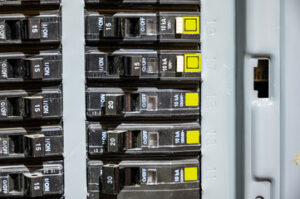
The electrical panel, also known as a breaker panel or service panel, is the control center of your property’s electrical system. It receives power from the utility company and distributes it across various circuits throughout the building. Circuit breakers within the panel regulate the flow of electricity, automatically shutting off power to prevent overloads or short circuits.

Older properties often feature panels with limited capacity or outdated components, which may struggle to manage the increased demand of modern electrical devices. An undersized panel cannot safely distribute electricity to high-demand appliances, such as HVAC units, kitchen equipment, or home office setups. Similarly, an outdated panel may lack essential safety features, such as ground-fault circuit interrupters (GFCIs) or arc-fault circuit interrupters (AFCIs), which protect against shocks and electrical fires.

A well-maintained and properly upgraded panel ensures that your property’s electrical system functions efficiently, reliably, and safely. Recognizing the signs that an upgrade is necessary can save you from costly repairs, dangerous malfunctions, and interruptions in daily operations.

Signs Your Property Needs an Electrical Panel Upgrade

Property owners often delay electrical upgrades until something goes wrong. However, several indicators suggest that a panel upgrade may be necessary, even before serious issues occur. Recognizing these warning signs can help you plan a timely upgrade:

  1. Frequent Circuit Breaker Trips – If your breakers trip regularly, it may indicate that the panel cannot handle the current load. Overloaded circuits pose a fire risk and reduce system reliability.
  2. Flickering or Dimming Lights – Lights that flicker or dim when appliances are in use may signal that the panel cannot adequately supply power to all circuits simultaneously.
  3. Outdated Panel Components – Panels manufactured decades ago may contain fuse systems or breakers that are no longer compliant with modern electrical codes. These older panels lack safety features and may be prone to failure.
  4. Insufficient Circuit Capacity – If you are adding new appliances, technology, or office equipment, your existing panel may not have enough circuits to support the additional demand.
  5. Burning Smells or Warm Panels – Overheating panels or the smell of burning insulation are serious warning signs of a potential electrical hazard and require immediate attention.

Addressing these issues proactively by upgrading the electrical panel reduces the risk of accidents and ensures that your property can accommodate modern electrical demands safely.

Benefits of Upgrading Your Electrical Panel

While safety is the most critical reason to upgrade, several additional benefits make the investment worthwhile:

  • Enhanced Safety – Modern panels include safety features that older systems often lack. AFCIs and GFCIs protect against electrical fires and shock hazards, reducing the risk to occupants.
  • Improved Reliability – Upgraded panels distribute power more evenly, reducing the likelihood of frequent breaker trips or power interruptions.
  • Increased Capacity – New panels support additional circuits, accommodating high-demand appliances, smart technology, and future property expansions.
  • Energy Efficiency – Modern panels and breakers are designed to operate more efficiently, minimizing energy waste and reducing electricity costs.
  • Property Value – Upgraded electrical infrastructure enhances property value, making it more attractive to buyers or tenants who prioritize safety and reliability.

Investing in a panel upgrade is not just a short-term fix; it is a long-term strategy to protect your property, enhance functionality, and support technological advancements.

When to Schedule an Electrical Panel Upgrade

Knowing when to schedule an upgrade depends on several factors, including the age of the panel, current electrical demands, and planned property improvements. As a general guideline, consider an upgrade if:

  1. Your property is more than 20 to 30 years old, and the panel has never been replaced or modernized.
  2. You are experiencing multiple signs of strain, such as frequent breaker trips, flickering lights, or warm panels.
  3. You are renovating or expanding your property, adding high-demand equipment, or increasing occupancy.
  4. Your panel uses fuses or outdated breakers that no longer meet current safety codes.

Consulting a licensed electrician is crucial in determining the appropriate timing and scope of an upgrade. Professionals can perform load calculations, assess panel capacity, and recommend solutions tailored to your property’s unique needs.

The Electrical Panel Upgrade Process

Upgrading an electrical panel involves more than swapping out the old box for a new one. It requires careful planning, professional installation, and compliance with safety codes. The process typically includes the following steps:

  • Initial Assessment and Load Calculation – Electricians evaluate your current panel, electrical usage, and future power needs to determine the proper size and configuration for the new panel.
  • Permitting and Code Compliance – Installation must meet local electrical codes, and required permits must be obtained. Licensed professionals handle these requirements to ensure compliance.
  • Power Shutdown and Panel Replacement – The old panel is safely disconnected, and the new panel is installed with updated breakers and wiring.
  • Circuit Reconfiguration – Circuits are carefully transferred or reorganized within the new panel to optimize distribution and safety.
  • Testing and Inspection – Once installation is complete, the system is tested to confirm proper operation, load balancing, and compliance with safety standards.

Hiring experienced electricians for this process is critical. Improper installation can result in hazards, equipment damage, and potential code violations. Professional upgrades ensure that the system functions safely and reliably for years to come.

Planning for Future Electrical Needs

A key consideration during a panel upgrade is future-proofing. Properties evolve, and electrical demands typically increase over time. Planning for future needs prevents costly replacements or disruptions down the line.

Forward-thinking considerations include:

  1. Additional Circuit Capacity – Installing a panel with extra spaces for circuits allows for the addition of new appliances, technology, or equipment without needing another upgrade.
  2. Energy-Efficient Systems Integration – Modern panels are compatible with energy-saving devices, smart systems, and solar power connections, supporting sustainability initiatives.
  3. Backup Power Preparedness – New panels can integrate seamlessly with generators or battery backup systems, ensuring uninterrupted power during outages.
  4. Commercial or High-Demand Readiness – For properties with multiple offices, large machinery, or specialized equipment, planning ensures consistent and balanced electrical supply.

By anticipating future requirements, property owners can maximize the longevity and versatility of their electrical infrastructure.

Common Misconceptions About Electrical Panel Upgrades

Despite their importance, panel upgrades are sometimes misunderstood. Here are a few common misconceptions:

  • “My panel is fine if nothing has failed yet.” – Even if the system appears functional, outdated panels may pose hidden risks that compromise safety and reliability.
  • “DIY upgrades are easy and safe.” – Electrical panel replacement involves high voltage and complex wiring. Improper installation can lead to fires, shocks, or code violations.
  • “Panel upgrades are too expensive.” – While an upgrade requires an investment, the long-term savings in safety, efficiency, and reduced emergency repairs often outweigh initial costs.
  • “Old panels are sufficient for modern appliances.” – Older panels may not support high-demand devices or advanced technology without overloading circuits.

Recognizing these misconceptions helps property owners make informed decisions and prioritize safety and functionality over cost-saving shortcuts.

Professional Maintenance After an Upgrade

Upgrading a panel is only one step in maintaining a safe electrical system. Regular maintenance ensures optimal performance and reduces the risk of future problems.

Professional maintenance services typically include:

  • Periodic inspections of breakers and connections
  • Testing load balance and voltage stability
  • Cleaning panels to remove dust and debris
  • Checking for corrosion or wear on components
  • Verifying the functionality of integrated safety systems

Consistent maintenance extends the lifespan of the panel, prevents costly emergency repairs, and maintains compliance with electrical codes.

Electrical panel upgrades are more than a technical necessity—they are a critical investment in the safety, efficiency, and longevity of your property. Whether your building is aging, experiencing increased electrical demands, or preparing for technological advancements, upgrading the panel ensures reliable power distribution and reduces the risk of hazards.

From preventing overloads and enhancing safety to accommodating future growth and integrating energy-efficient systems, a modern electrical panel serves as the foundation for a well-functioning property. Professional installation, proper planning, and ongoing maintenance are key to maximizing the benefits of an upgraded panel.

By recognizing the signs of an outdated or insufficient panel, consulting licensed electricians, and taking a proactive approach, property owners can protect their investments, improve system performance, and ensure peace of mind. Electrical panel upgrades are more than a repair—they are a strategic decision that strengthens the backbone of every property’s electrical infrastructure, today and for the future.

Handyman

Replacement Window Services: Enhancing Comfort, Efficiency, and Home Value

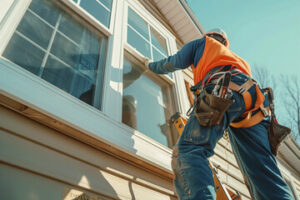
Windows play a vital role in the overall performance and appearance of a home. They are more than just openings that allow natural light and fresh air to enter—they contribute to energy efficiency, insulation, security, and aesthetic appeal. Over time, however, windows can deteriorate due to age, weather exposure, and general wear and tear. When this happens, Replacement Windows Lexington KY services become an essential investment. Upgrading your windows can significantly improve comfort, reduce energy costs, and enhance the value of your property.

replacement windows

One of the most compelling reasons to consider replacement window services is energy efficiency. Older windows often lack proper insulation, allowing heat to escape during colder months and enter during warmer seasons. This results in increased reliance on heating and cooling systems, leading to higher utility bills. Modern replacement windows are designed with advanced materials and technologies that minimize heat transfer and improve thermal performance. Features such as double or triple glazing, insulated frames, and low-emissivity coatings help maintain a consistent indoor temperature, making your home more comfortable year-round.

In addition to energy savings, replacement windows can dramatically improve indoor comfort. Drafts, uneven temperatures, and condensation are common issues associated with outdated or poorly sealed windows. These problems not only affect comfort but can also lead to moisture buildup and potential damage to surrounding structures. By installing new windows with proper sealing and insulation, homeowners can eliminate drafts and create a more stable indoor environment. The result is a space that feels more inviting and easier to maintain.

Another significant advantage of replacement window services is the opportunity to enhance the aesthetic appeal of your home. Windows are a prominent architectural feature, and their design can greatly influence the overall look of both the interior and exterior. Modern window options come in a wide range of styles, shapes, and finishes, allowing homeowners to customize their appearance to match their preferences. Whether you prefer a sleek, contemporary design or a more traditional look, new windows can transform the visual character of your home.

Beyond aesthetics, replacement windows also contribute to improved functionality. Older windows can become difficult to open, close, or lock, which can be both inconvenient and unsafe. Newer models are designed with user-friendly mechanisms that ensure smooth operation and enhanced security. Features such as multi-point locking systems and reinforced frames provide added protection, giving homeowners peace of mind. Improved functionality also makes it easier to ventilate the home, promoting better air circulation and indoor air quality.

When considering replacement window services, it’s important to understand the different types of windows available. Each style offers unique benefits and is suited to specific applications. For example, casement windows provide excellent ventilation due to their outward-opening design, while sliding windows are ideal for spaces where horizontal movement is preferred. Double-hung windows offer versatility with operable sashes, making them a popular choice for many homeowners. Selecting the right type of window depends on factors such as room layout, ventilation needs, and personal preference.

Material selection is another critical aspect of window replacement. The choice of material affects durability, maintenance requirements, and overall performance. Common options include vinyl, wood, aluminum, and composite materials. Vinyl windows are known for their affordability and low maintenance, while wood windows offer a classic, natural appearance. Aluminum frames provide strength and a modern aesthetic, while composite materials combine the benefits of multiple components for enhanced performance. Each material has its own advantages, and a professional service provider can help determine the best option for your specific needs.

The installation process is just as important as the windows themselves. Even the highest-quality windows will not perform effectively if they are not installed correctly. Professional replacement window services ensure that each unit is fitted precisely, with proper sealing and insulation to prevent air and water infiltration. This attention to detail is essential for maximizing energy efficiency and longevity. Attempting to install windows without the necessary expertise can lead to issues such as leaks, drafts, and structural damage.

To better understand the value of replacement window services, consider the following key benefits:

  1. Improved Energy Efficiency: Modern windows reduce heat transfer, lowering energy consumption and utility costs.
  2. Enhanced Comfort: Eliminating drafts and maintaining consistent temperatures creates a more comfortable living environment.
  3. Increased Property Value: Updated windows enhance curb appeal and make the home more attractive to potential buyers.

Another important factor to consider is noise reduction. Older windows often provide minimal sound insulation, allowing external noise to enter the home. This can be particularly problematic in busy or high-traffic areas. Replacement windows with advanced glazing and sealing technologies can significantly reduce noise transmission, creating a quieter and more peaceful indoor environment. This improvement is especially valuable for homeowners seeking a more relaxing living space.

Maintenance requirements are also reduced with modern replacement windows. Older windows may require frequent repairs, repainting, or sealing to maintain their appearance and functionality. In contrast, many newer options are designed to be low maintenance, with materials that resist fading, warping, and corrosion. This not only saves time and effort but also reduces long-term costs associated with upkeep. Choosing the right materials and finishes can further enhance durability and ease of maintenance.

For homeowners looking to maximize the benefits of window replacement, it’s important to approach the project strategically. Here are some practical considerations to keep in mind:

  1. Assess Current Window Conditions: Identify issues such as drafts, condensation, or difficulty in operation to determine the need for replacement.
  2. Set a Realistic Budget: Consider both upfront costs and long-term savings when planning the project.
  3. Prioritize High-Impact Areas: Focus on rooms where improved insulation and comfort will have the greatest effect.

Timing can also play a role in the success of a window replacement project. While installations can be performed throughout the year, certain conditions may be more favorable. For example, moderate weather can make the installation process more efficient and reduce the risk of delays. Planning ahead and scheduling the project at an appropriate time helps ensure a smoother experience.

Sustainability is another aspect that has gained importance in recent years. Many replacement windows are designed with environmentally friendly features, such as energy-efficient glazing and recyclable materials. By reducing energy consumption, these windows contribute to a smaller environmental footprint. Additionally, improved insulation reduces the need for excessive heating and cooling, further supporting sustainable living practices.

The financial aspect of replacement window services should not be overlooked. While the initial investment may seem significant, the long-term benefits often outweigh the costs. Reduced energy bills, lower maintenance expenses, and increased property value all contribute to a favorable return on investment. In many cases, homeowners find that the savings generated over time help offset the initial expense, making window replacement a practical and worthwhile decision.

Another advantage of working with professional window replacement services is access to expert guidance. From selecting the right materials and styles to ensuring proper installation, professionals provide valuable insights that help homeowners make informed decisions. This level of expertise is particularly important for complex projects or homes with unique architectural features. By relying on experienced professionals, homeowners can achieve results that meet both functional and aesthetic expectations.

Ultimately, replacement window services offer a comprehensive solution for improving the performance and appearance of a home. By addressing issues such as energy inefficiency, poor insulation, and outdated design, new windows provide a wide range of benefits that enhance everyday living. From increased comfort and reduced noise to improved security and visual appeal, the advantages are both immediate and long-lasting.

In conclusion, investing in replacement window services is a strategic decision that delivers significant value. By upgrading to modern, high-performance windows, homeowners can create a more comfortable, efficient, and attractive living environment. With careful planning, quality materials, and professional installation, the results can transform not only the look of a home but also the way it functions. Whether you’re addressing existing issues or simply looking to enhance your space, replacement windows provide a practical and impactful solution that stands the test of time.