Electric is the lifeblood of any property, powering everything from lighting and appliances to advanced technology and climate control systems. Yet despite its importance, the electrical panel—the central hub that distributes power throughout a building—is often overlooked. Many property owners remain unaware of their condition until problems arise, such as frequent breaker trips, flickering lights, or even safety hazards like overheating wires. These warning signs are not merely inconveniences; they are indicators that your property may require an electrical panel upgrade.
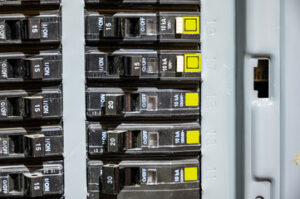
Electrical panel upgrades are more than a simple replacement of a box on the wall. They involve carefully assessing your current system, determining present and future power needs, and installing a modern, code-compliant panel capable of safely handling the electrical demands of your property. Upgrading an outdated or insufficient panel not only improves safety but also enhances reliability, supports energy efficiency, and prepares your property for future expansions or technological upgrades.
Understanding the Role of the Electrical Panel
The electrical panel, also known as a breaker panel or service panel, is the control center of your property’s electrical system. It receives power from the utility company and distributes it across various circuits throughout the building. Circuit breakers within the panel regulate the flow of electricity, automatically shutting off power to prevent overloads or short circuits.
Older properties often feature panels with limited capacity or outdated components, which may struggle to manage the increased demand of modern electrical devices. An undersized panel cannot safely distribute electricity to high-demand appliances, such as HVAC units, kitchen equipment, or home office setups. Similarly, an outdated panel may lack essential safety features, such as ground-fault circuit interrupters (GFCIs) or arc-fault circuit interrupters (AFCIs), which protect against shocks and electrical fires.
A well-maintained and properly upgraded panel ensures that your property’s electrical system functions efficiently, reliably, and safely. Recognizing the signs that an upgrade is necessary can save you from costly repairs, dangerous malfunctions, and interruptions in daily operations.
Signs Your Property Needs an Electrical Panel Upgrade
Property owners often delay electrical upgrades until something goes wrong. However, several indicators suggest that a panel upgrade may be necessary, even before serious issues occur. Recognizing these warning signs can help you plan a timely upgrade:
- Frequent Circuit Breaker Trips – If your breakers trip regularly, it may indicate that the panel cannot handle the current load. Overloaded circuits pose a fire risk and reduce system reliability.
- Flickering or Dimming Lights – Lights that flicker or dim when appliances are in use may signal that the panel cannot adequately supply power to all circuits simultaneously.
- Outdated Panel Components – Panels manufactured decades ago may contain fuse systems or breakers that are no longer compliant with modern electrical codes. These older panels lack safety features and may be prone to failure.
- Insufficient Circuit Capacity – If you are adding new appliances, technology, or office equipment, your existing panel may not have enough circuits to support the additional demand.
- Burning Smells or Warm Panels – Overheating panels or the smell of burning insulation are serious warning signs of a potential electrical hazard and require immediate attention.
Addressing these issues proactively by upgrading the electrical panel reduces the risk of accidents and ensures that your property can accommodate modern electrical demands safely.
Benefits of Upgrading Your Electrical Panel
While safety is the most critical reason to upgrade, several additional benefits make the investment worthwhile:
- Enhanced Safety – Modern panels include safety features that older systems often lack. AFCIs and GFCIs protect against electrical fires and shock hazards, reducing the risk to occupants.
- Improved Reliability – Upgraded panels distribute power more evenly, reducing the likelihood of frequent breaker trips or power interruptions.
- Increased Capacity – New panels support additional circuits, accommodating high-demand appliances, smart technology, and future property expansions.
- Energy Efficiency – Modern panels and breakers are designed to operate more efficiently, minimizing energy waste and reducing electricity costs.
- Property Value – Upgraded electrical infrastructure enhances property value, making it more attractive to buyers or tenants who prioritize safety and reliability.
Investing in a panel upgrade is not just a short-term fix; it is a long-term strategy to protect your property, enhance functionality, and support technological advancements.
When to Schedule an Electrical Panel Upgrade
Knowing when to schedule an upgrade depends on several factors, including the age of the panel, current electrical demands, and planned property improvements. As a general guideline, consider an upgrade if:
- Your property is more than 20 to 30 years old, and the panel has never been replaced or modernized.
- You are experiencing multiple signs of strain, such as frequent breaker trips, flickering lights, or warm panels.
- You are renovating or expanding your property, adding high-demand equipment, or increasing occupancy.
- Your panel uses fuses or outdated breakers that no longer meet current safety codes.
Consulting a licensed electrician is crucial in determining the appropriate timing and scope of an upgrade. Professionals can perform load calculations, assess panel capacity, and recommend solutions tailored to your property’s unique needs.
The Electrical Panel Upgrade Process
Upgrading an electrical panel involves more than swapping out the old box for a new one. It requires careful planning, professional installation, and compliance with safety codes. The process typically includes the following steps:
- Initial Assessment and Load Calculation – Electricians evaluate your current panel, electrical usage, and future power needs to determine the proper size and configuration for the new panel.
- Permitting and Code Compliance – Installation must meet local electrical codes, and required permits must be obtained. Licensed professionals handle these requirements to ensure compliance.
- Power Shutdown and Panel Replacement – The old panel is safely disconnected, and the new panel is installed with updated breakers and wiring.
- Circuit Reconfiguration – Circuits are carefully transferred or reorganized within the new panel to optimize distribution and safety.
- Testing and Inspection – Once installation is complete, the system is tested to confirm proper operation, load balancing, and compliance with safety standards.
Hiring experienced electricians for this process is critical. Improper installation can result in hazards, equipment damage, and potential code violations. Professional upgrades ensure that the system functions safely and reliably for years to come.
Planning for Future Electrical Needs
A key consideration during a panel upgrade is future-proofing. Properties evolve, and electrical demands typically increase over time. Planning for future needs prevents costly replacements or disruptions down the line.
Forward-thinking considerations include:
- Additional Circuit Capacity – Installing a panel with extra spaces for circuits allows for the addition of new appliances, technology, or equipment without needing another upgrade.
- Energy-Efficient Systems Integration – Modern panels are compatible with energy-saving devices, smart systems, and solar power connections, supporting sustainability initiatives.
- Backup Power Preparedness – New panels can integrate seamlessly with generators or battery backup systems, ensuring uninterrupted power during outages.
- Commercial or High-Demand Readiness – For properties with multiple offices, large machinery, or specialized equipment, planning ensures consistent and balanced electrical supply.
By anticipating future requirements, property owners can maximize the longevity and versatility of their electrical infrastructure.
Common Misconceptions About Electrical Panel Upgrades
Despite their importance, panel upgrades are sometimes misunderstood. Here are a few common misconceptions:
- “My panel is fine if nothing has failed yet.” – Even if the system appears functional, outdated panels may pose hidden risks that compromise safety and reliability.
- “DIY upgrades are easy and safe.” – Electrical panel replacement involves high voltage and complex wiring. Improper installation can lead to fires, shocks, or code violations.
- “Panel upgrades are too expensive.” – While an upgrade requires an investment, the long-term savings in safety, efficiency, and reduced emergency repairs often outweigh initial costs.
- “Old panels are sufficient for modern appliances.” – Older panels may not support high-demand devices or advanced technology without overloading circuits.
Recognizing these misconceptions helps property owners make informed decisions and prioritize safety and functionality over cost-saving shortcuts.
Professional Maintenance After an Upgrade
Upgrading a panel is only one step in maintaining a safe electrical system. Regular maintenance ensures optimal performance and reduces the risk of future problems.
Professional maintenance services typically include:
- Periodic inspections of breakers and connections
- Testing load balance and voltage stability
- Cleaning panels to remove dust and debris
- Checking for corrosion or wear on components
- Verifying the functionality of integrated safety systems
Consistent maintenance extends the lifespan of the panel, prevents costly emergency repairs, and maintains compliance with electrical codes.
Electrical panel upgrades are more than a technical necessity—they are a critical investment in the safety, efficiency, and longevity of your property. Whether your building is aging, experiencing increased electrical demands, or preparing for technological advancements, upgrading the panel ensures reliable power distribution and reduces the risk of hazards.
From preventing overloads and enhancing safety to accommodating future growth and integrating energy-efficient systems, a modern electrical panel serves as the foundation for a well-functioning property. Professional installation, proper planning, and ongoing maintenance are key to maximizing the benefits of an upgraded panel.
By recognizing the signs of an outdated or insufficient panel, consulting licensed electricians, and taking a proactive approach, property owners can protect their investments, improve system performance, and ensure peace of mind. Electrical panel upgrades are more than a repair—they are a strategic decision that strengthens the backbone of every property’s electrical infrastructure, today and for the future.